


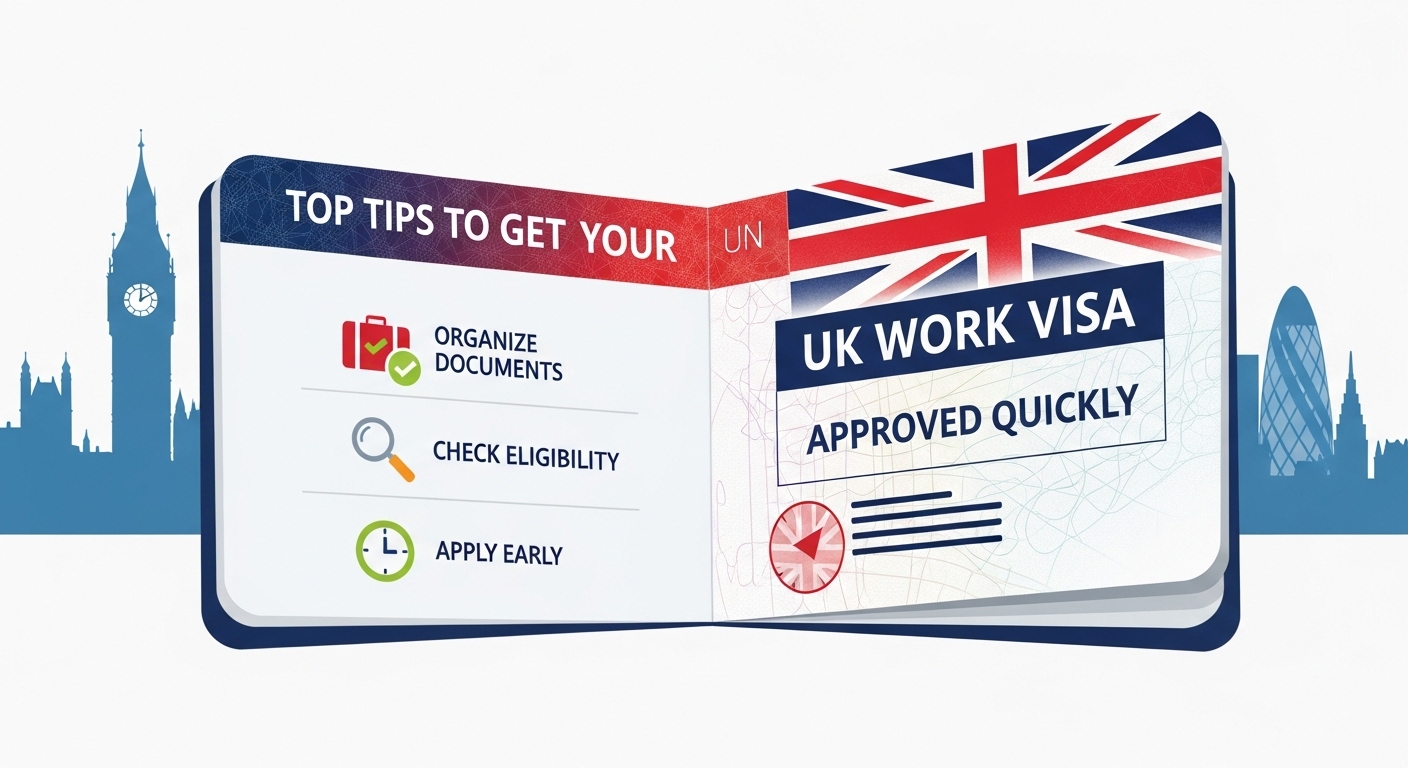
The United Kingdom continues to attract skilled professionals from around the world, offering opportunities in technology, healthcare, finance, and more. Applying for a UK work visa can be a complex process, and even small mistakes can result in delays or refusals.
Whether you’re a professional looking to work in London, Manchester, or other regions, understanding the requirements, documentation, and best practices is crucial. This guide provides top tips to get your UK work visa approved, ensuring a smooth application process and increasing your chances of success.
Before applying, you must identify the right visa type for your profession and situation. Common UK work visas include:
Skilled Worker Visa: for professionals sponsored by a UK employer.
Health and Care Worker Visa: for medical professionals in the NHS.
Global Talent Visa: for highly skilled individuals in science, technology, and arts.
Temporary Worker Visa: for seasonal or short-term work.
Each visa type has specific eligibility criteria, documentation requirements, and processing times. Choosing the correct visa is the first step toward approval.
Most UK work visas require a licensed UK sponsor – an employer approved by the Home Office.
Verify that your employer is on the approved sponsor list.
Ensure you receive a valid Certificate of Sponsorship (CoS) before starting your application.
The CoS contains critical details about your job, salary, and sponsorship that the Home Office will verify.
Without a valid sponsor, your work visa application cannot be approved.
UK work visas often have minimum salary thresholds depending on your visa type. For example:
Skilled Worker Visa: typically £26,200 annually for standard jobs, with lower thresholds for healthcare or shortage occupations.
Global Talent Visa: based on endorsements and exceptional achievements rather than salary.
Ensure you meet or exceed the salary and skill level requirements for your visa type. This strengthens your application and reduces the likelihood of refusal.
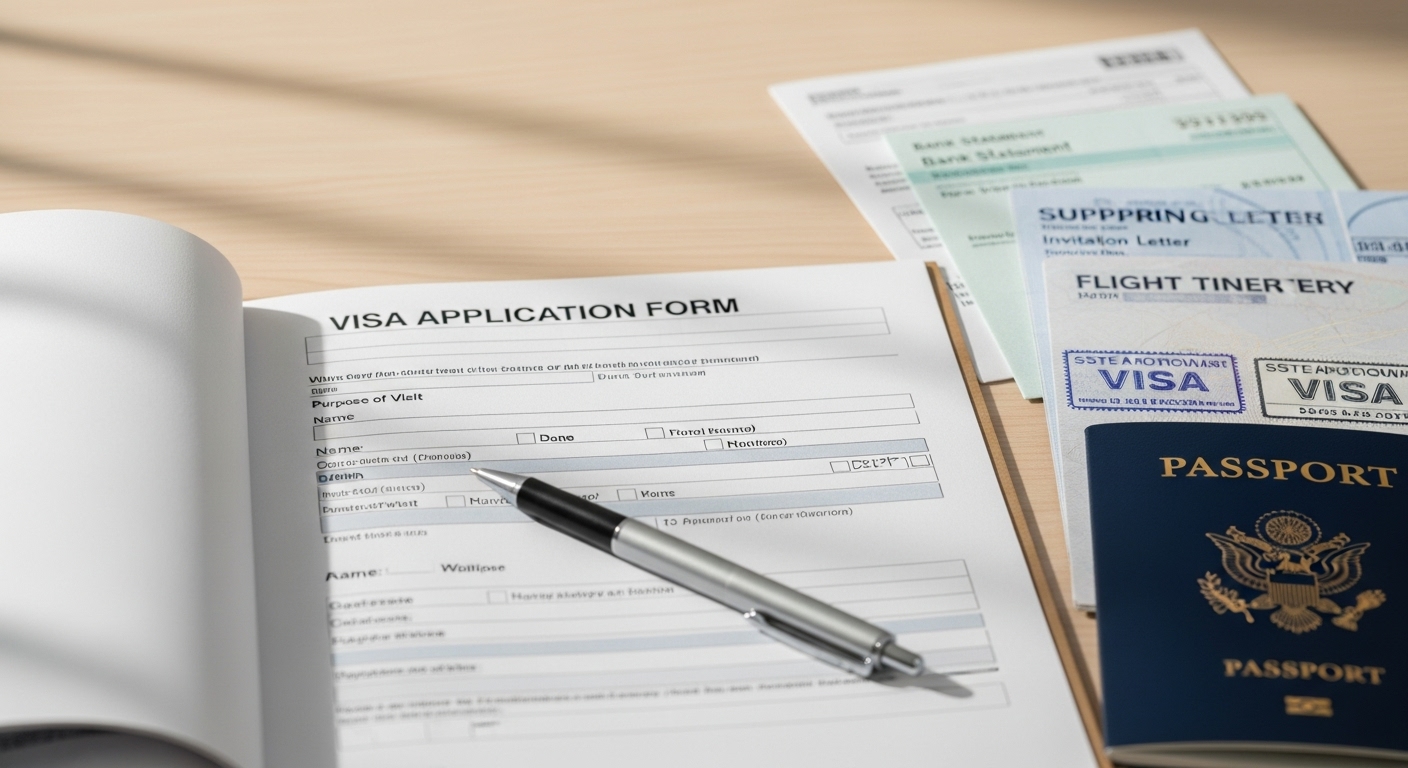
One of the most common reasons for visa refusals is incomplete or inaccurate documents. Key documents include:
Valid passport or travel document
Certificate of Sponsorship (CoS) from a licensed employer
Proof of salary and employment
Academic or professional qualifications
English language proficiency certificate (if required)
Criminal record certificate (for some roles)
Always double-check your documents for accuracy, consistency, and legitimacy. Submit originals or certified copies as required.
Most UK work visas require proof of English proficiency. You can demonstrate this through:
IELTS or approved English test scores
Degree taught in English
Nationality from an English-speaking country
Ensure that your English test results are valid and meet the required level, as this is a mandatory part of the approval process.
Your application requires visa fees and the Immigration Health Surcharge (IHS) to access NHS healthcare.
Calculate the total fees carefully.
Pay all required fees before submitting your application.
Keep receipts and proof of payment, as the Home Office may request verification.
Incomplete or unpaid fees can delay processing or lead to rejection.
UK work visa processing times vary depending on the visa type, country of application, and season.
Submit your application at least 3 months before your intended start date.
Early submission allows time for additional document requests or clarifications.
Delays are common during peak visa seasons, so planning ahead is crucial.
Navigating UK work visas can be challenging, especially if it’s your first time applying. Working with a professional visa consultancy like Vmigrant.com ensures:
Accurate documentation and verification
Correct visa type identification
Interview preparation and guidance
Reduced risk of errors and refusals
Professional guidance increases your chances of approval and a smooth process.
Some visa categories require interviews or biometric verification. Tips include:
Dress professionally and maintain a calm demeanor.
Be ready to explain your job role, sponsor details, and intention to work in the UK.
Answer questions honestly and confidently.
Bring all requested documents neatly organized.
Proper preparation demonstrates credibility and builds trust with visa officers.
Once your UK work visa is approved:
Confirm the validity dates and conditions (work type, employer, location).
Understand the rules for dependents, extensions, and switching visa categories.
Keep your visa documents safe during travel and upon arrival.
Following all conditions ensures you maintain legal status and avoid complications while working in the UK.
Getting a UK work visa approved requires careful planning, accurate documentation, and understanding the visa rules. By selecting the right visa type, securing a valid sponsor, preparing documents properly, and seeking professional guidance, applicants can maximize their chances of success.
Following these top tips ensures a smooth, efficient process and allows you to focus on your career and life in the UK rather than worrying about bureaucratic delays.
How long does it take to get a UK work visa approved?
Processing usually takes 3-8 weeks depending on the visa type and application country.
Can I switch employers after getting a UK work visa?
Some visas allow switching employers, but you must notify the Home Office and get a new Certificate of Sponsorship.
Do I need a sponsor for all UK work visas?
Most work visas require a licensed UK sponsor. Some categories, like Global Talent, may not require a sponsor.
Can I bring my family with me?
Dependent visas are available for spouses and children, depending on your visa type and income.
What are common reasons for UK work visa refusal?
Incomplete documents, failing English proficiency, incorrect visa type, insufficient salary, and application errors are top reasons.
Exhibition spaces, sponsorship packages, and startup pitch slots are limited.
Join the Summit
Muhammad Akmal is a migration and visa expert at Vmigrant, specializing in helping applicants navigate study, work, and permanent residency opportunities abroad. He simplifies complex immigration processes, providing clear and practical guidance to empower individuals and families to make informed decisions and achieve successful migration outcomes.






 4k
4k


Comments