
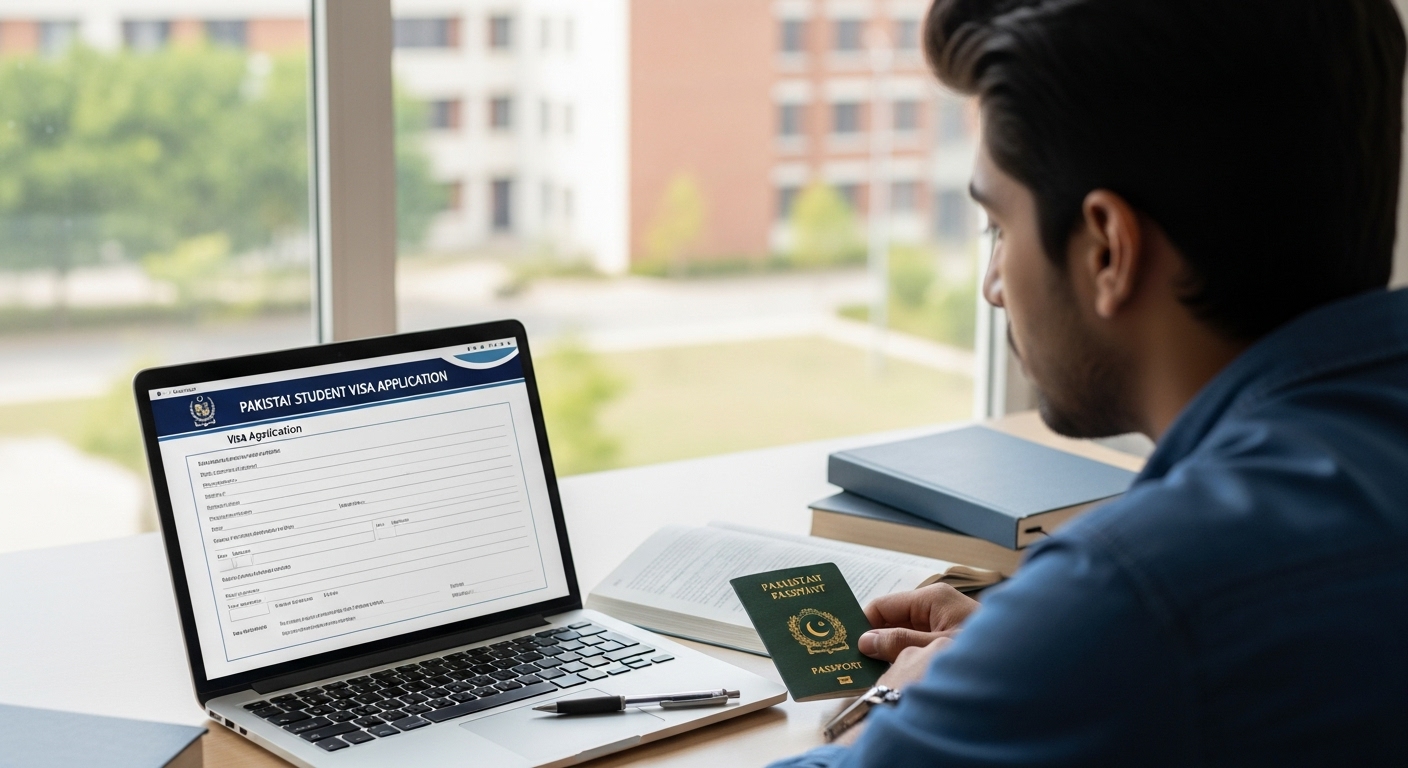
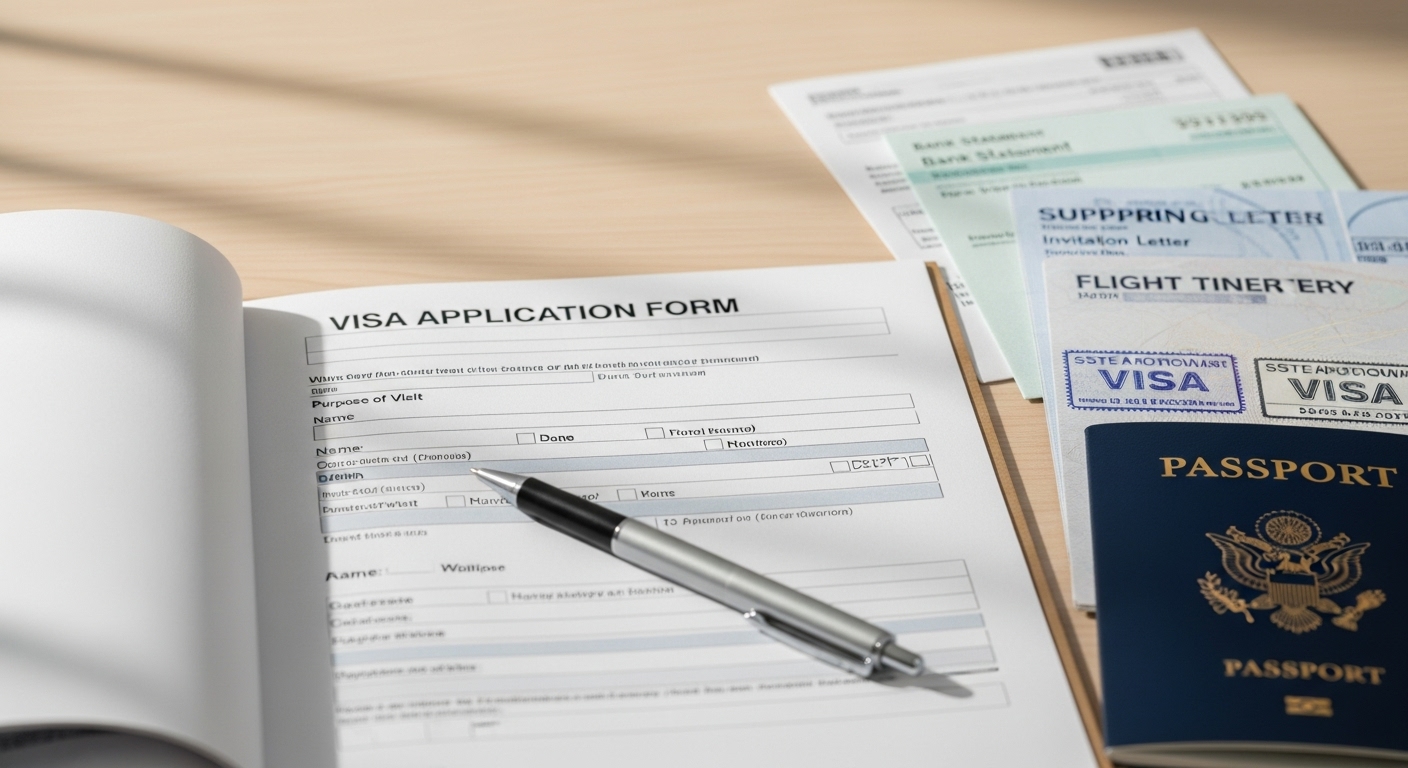

Visa applications are crucial for those seeking to study, work, or reunite with family abroad. However, the process can be complex, and many applicants unknowingly make mistakes that can delay or even cause their visa applications to be rejected. Whether you are applying for a student visa, work visa, or family visa, it’s important to understand the common errors that can occur and how to avoid them. This guide will help you navigate the application process, identify common mistakes, and provide actionable solutions to boost your chances of success.
One of the most common mistakes made by Pakistani applicants is applying for the wrong visa category. Applicants often confuse the different types of visas (e.g., student, work, or tourist visas) or fail to understand the specific requirements of each.
Submitting an application for the wrong visa category can lead to immediate rejection. For example, if a student applies for a tourist visa instead of a student visa, the application will not meet the necessary requirements for entry to study abroad.
An incomplete or poorly written Statement of Purpose (SOP) can severely affect the outcome of a visa application. Many applicants fail to adequately explain why they wish to travel abroad or how the trip will benefit their future.
A weak SOP often raises questions about the applicant’s intentions. A vague SOP might cause a visa officer to doubt the authenticity of your application, especially in the case of student visas, where your educational goals need to be clearly defined.
Many applicants fail to include all the required documents in their visa application. This can happen due to lack of awareness or failure to follow the checklist provided by the embassy.
Missing or incomplete documents can delay the processing of your visa application, and in many cases, lead to a rejection. For example, failing to provide proof of financial stability for a student visa can immediately result in a denial.
Many visa types, such as student and work visas, require applicants to show proof of sufficient funds. However, applicants often fail to submit valid financial documents, such as bank statements, affidavits, or sponsorship letters.
Lack of financial proof can lead to visa rejection because it raises concerns about whether you can support yourself during your stay. Embassies require applicants to demonstrate that they will not rely on public funds or illegal employment.
Certain visa types require applicants to meet specific health and character requirements, such as medical exams and police clearance certificates. Many Pakistani applicants fail to complete these requirements on time or ignore them entirely.
Failure to meet health or character standards can lead to the rejection of your application. For example, a criminal record or serious health condition may prevent you from being approved for certain types of visas.
In an attempt to enhance their chances of approval, some applicants may be tempted to provide false or misleading information on their visa application. This could include exaggerating qualifications, falsifying financial documents, or hiding relevant facts (e.g. prior visa rejections).
Providing false information can lead to immediate rejection and may even result in a permanent ban from applying for visas in the future. Immigration authorities often verify the authenticity of documents and information through various checks.
Visa applications can be overwhelming, especially when dealing with complex requirements. Consulting a professional visa consultant can make the process much easier. Here’s how they can help:
If you decide to go this route, you can start your application process by visiting our Apply Visa page for a free eligibility check.
Take the case of Ahmed, a Pakistani student from Lahore who wanted to apply for a student visa to study in Canada. Ahmed made two major mistakes: he submitted an incomplete Statement of Purpose (SOP) and failed to provide adequate financial proof. As a result, his visa application was rejected.
After consulting a professional visa consultant, Ahmed received assistance in rewriting his SOP and providing updated financial documentation. On his second attempt — with a strong SOP and complete financial proof — his student visa application was approved. This shows how avoiding common mistakes can make the difference between rejection and success.
Visa applications are complex, and even small mistakes can lead to costly rejections. By understanding the common mistakes made by Pakistani applicants, you can significantly improve your chances of approval. Whether it’s applying for the wrong visa category, submitting incomplete documents, or failing to provide sufficient financial proof, it’s essential to be thorough and precise.
If you’re ready to apply for your visa and want to maximize your chances of success, don’t take risks. Visit our Apply Visa page for a free eligibility assessment and let experienced consultants guide you to a stronger, error-free application.
Exhibition spaces, sponsorship packages, and startup pitch slots are limited.
Join the Summit
Muhammad Akmal is a migration and visa expert at Vmigrant, specializing in helping applicants navigate study, work, and permanent residency opportunities abroad. He simplifies complex immigration processes, providing clear and practical guidance to empower individuals and families to make informed decisions and achieve successful migration outcomes.






 4k
4k


Comments